Storm prep · 8 min read · By the Good Trends Collect team in Opa-locka · October 17, 2026
Start early, not when the cone appears
Stores empty quickly once a storm is named, so the best time to prepare is before the season peaks in August and September. Know whether you live in a Miami-Dade evacuation zone (you can look up your address on the county's emergency management site), and decide now where you would go if an order is issued.
Protect against carbon monoxide
Generator use after storms is one of the most common causes of carbon monoxide poisoning in Florida. Never run a generator, grill or camp stove indoors, in a garage or under a carport, even with the door open. Keep generators at least 20 feet from doors, windows and vents.
Working combination smoke and CO alarms on every level and outside sleeping areas are essential. Test them monthly and replace batteries before the season starts.
Kitchen and home fire safety during outages
Candles cause many fires during power outages. Use flashlights or battery lanterns instead. Keep a fire blanket near the stove for small cooking fires and make sure everyone knows how to use it. If a fire spreads, get out and call 911.
Get the car ready to evacuate
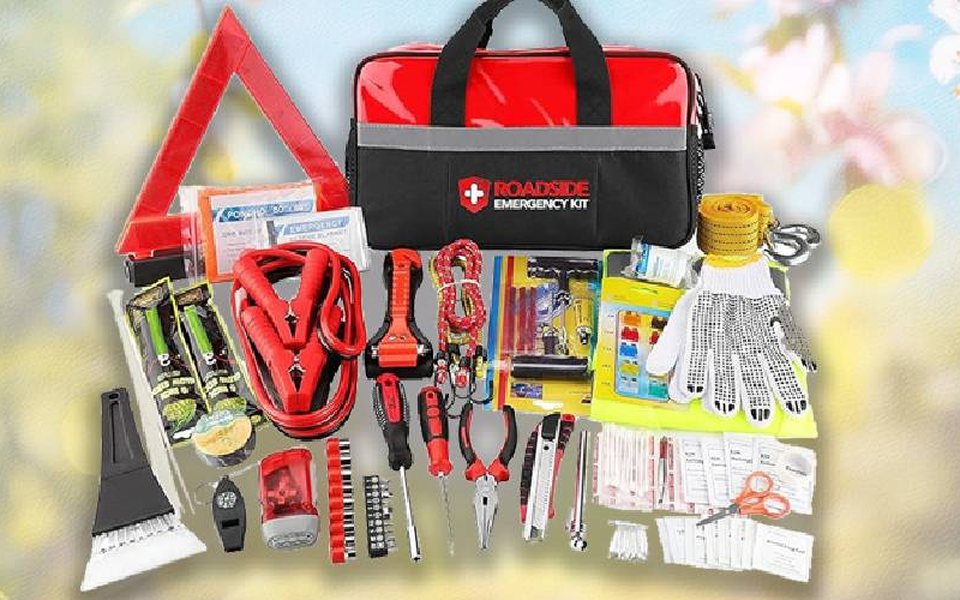
Keep the tank at least half full from June through November, because gas lines form fast. Check tire pressure with a portable inflator so you are not hunting for a working air pump on evacuation day. A packed roadside kit with jumper cables, a tow strap, first aid supplies and a flashlight belongs in the trunk year round.
Your home checklist
- Water: one gallon per person per day for at least seven days
- Non-perishable food, a manual can opener and pet food
- Medications, copies of prescriptions and insurance documents in a waterproof bag
- Flashlights, batteries and a battery or hand-crank radio
- Phone chargers and power banks, fully charged
- Cash in small bills, since card readers may be down
- Shutters or panels tested and hardware labeled
Follow official instructions from Miami-Dade County Emergency Management and the National Hurricane Center. This guide is general information, not emergency advice.